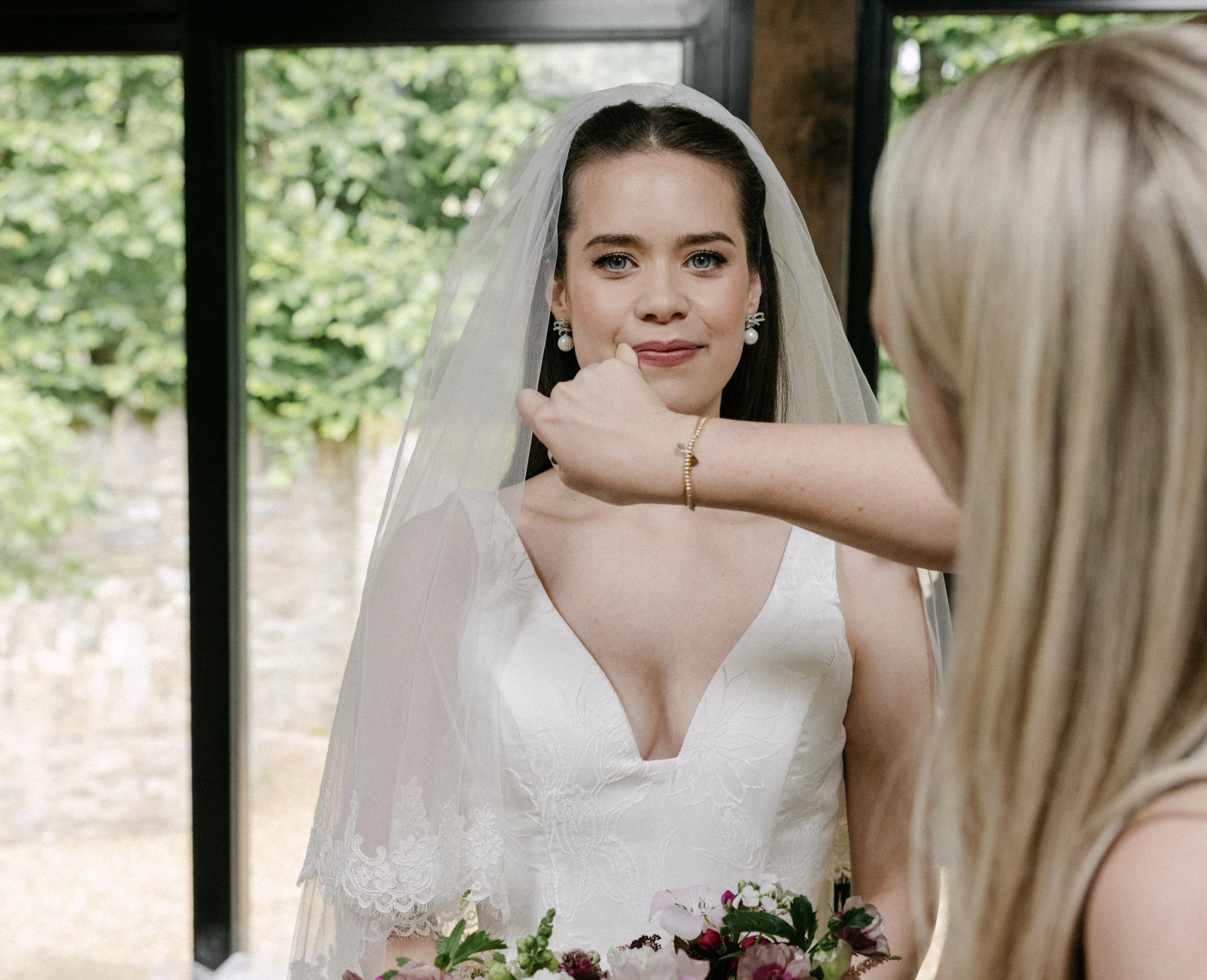
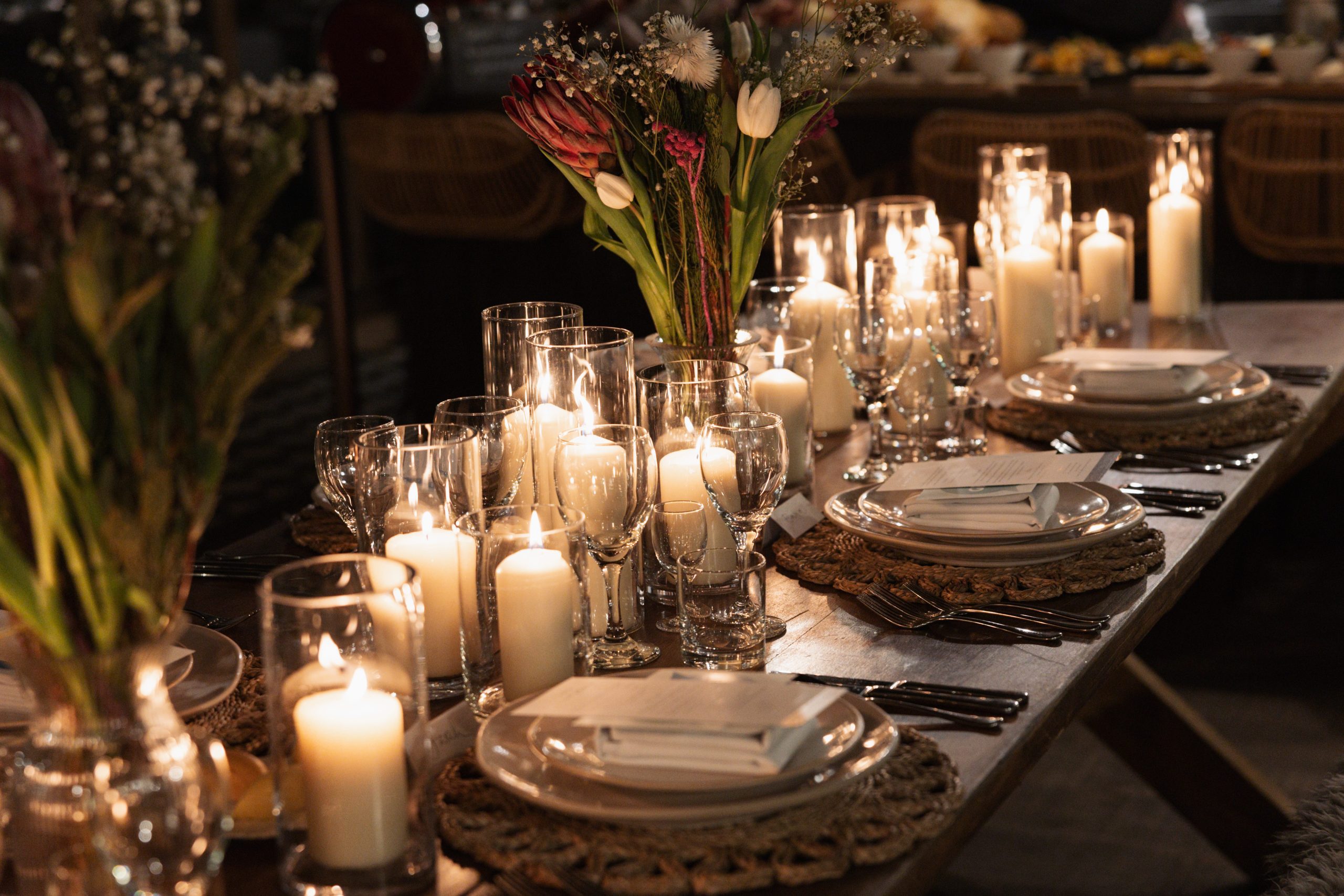
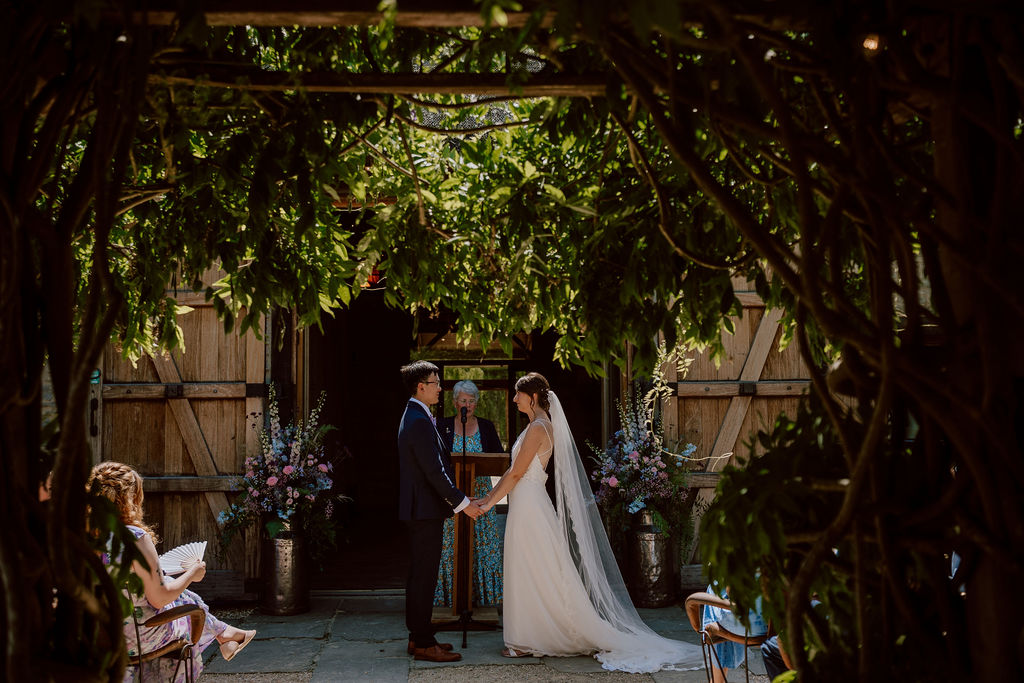
Having been invited by Annabel Beeforth, founder of Love My Dress, to write a piece for couples planning weddings in 2026/27, we’re delighted to share Emma Deeley’s thought-provoking article which explores how the wedding landscape is evolving and what modern couples can expect from the years ahead. Emma and husband Will have hosted around two and half thousand weddings since founding Tythe in 1998 and bring a rare depth of experience. Combined with Emma’s keen eye for detail, emerging trends and her passion for both events and interiors, this article offers a distinctive and engaging perspective that takes the reader down an unexpected path.
After 27 years of hosting weddings at Tythe, I’ve watched countless wedding trends rise, peak and gently disappear. Over the past few years though, a different kind of shift has taken hold, one that feels less like a passing aesthetic and more like a recalibration.
In an unpredictable world, couples are searching for something grounding, familiar and honest. That desire to feel anchored is reshaping how people approach their wedding day. Familiarity and reassurance often come from the safety and comfort of home, and this sense of ease is increasingly shaping how couples approach their wedding celebrations.
Design inspiration is being drawn from everyday living, with interiors playing a central role. Colours, textures and small rituals that create warmth and comfort at home are finding their way into wedding days more naturally and more often.
What’s emerging is a clear move away from the polished perfectionism that has dominated for so long and this too is a significant move that is being reflected in apps like Instagram. Couples are choosing celebrations that feel relaxed, authentically theirs and intentional rather than extravagant.
Details are chosen because they hold meaning. Guest lists are smaller or more considered, shaped by a simple desire to bring loved ones together in a way that feels honest.
The ‘performance’ of a wedding day is losing its appeal.
Home-Influenced Colour Palettes and Styling
What began with couples pulling palette inspiration from their favourite interior mood boards, has evolved into a full-scale creative movement.
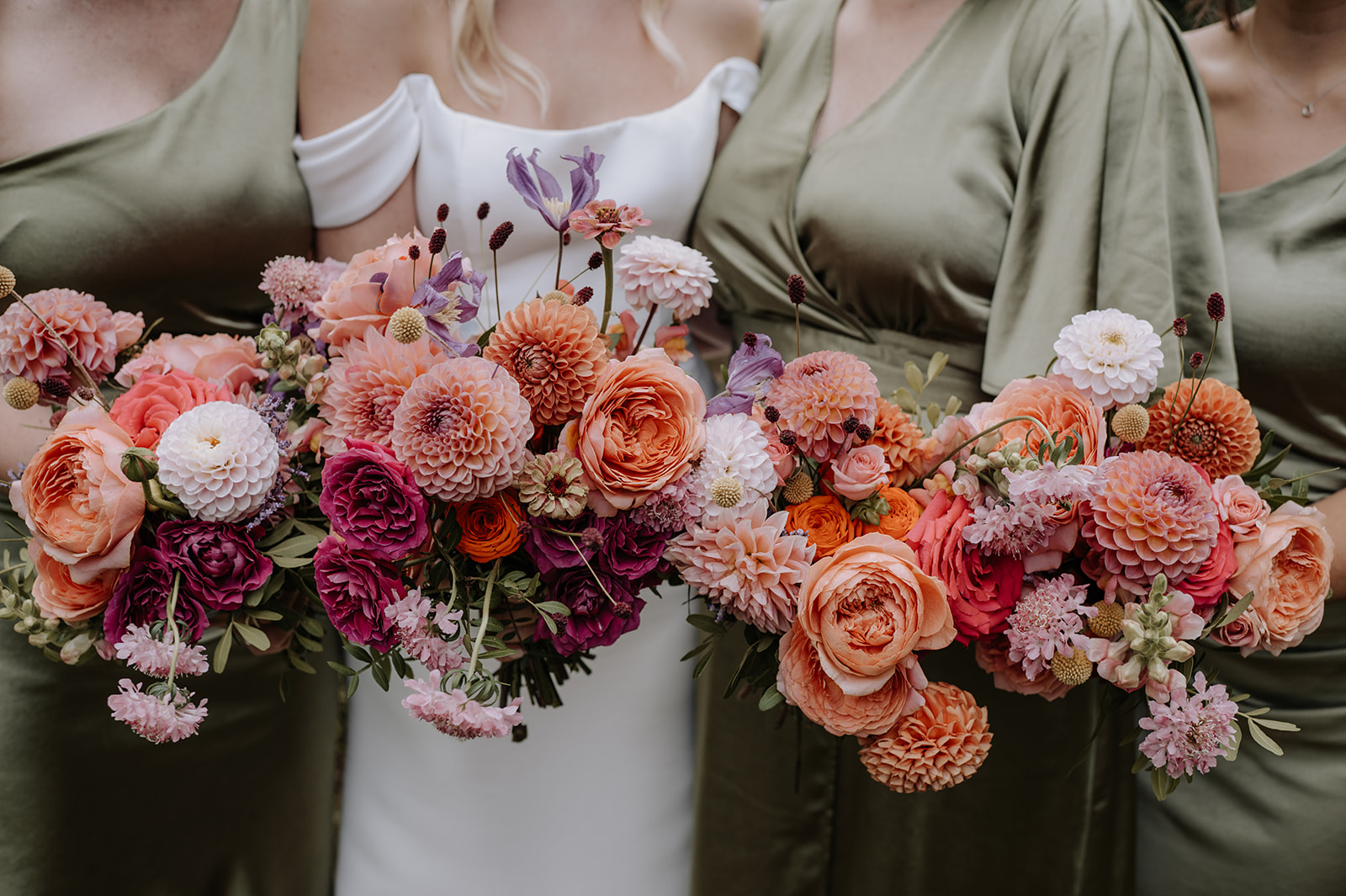
There has been a marked shift toward interior-led palettes in wedding design, with designers and stylists drawing from the world of interiors as readily as they once did from couture. We saw this first with the houseplant renaissance, which moved from homes into fashion and later influenced the wave of green bridesmaid palettes seen in 2025.
Couples are increasingly choosing styles that mirror their own living and ‘safe’ spaces; tactile, layered textures, heritage hues, natural woods and expressive patterns bring warmth and personality. These choices feel lived-in rather than styled for styling’s sakes and familiar rather than theatrical.

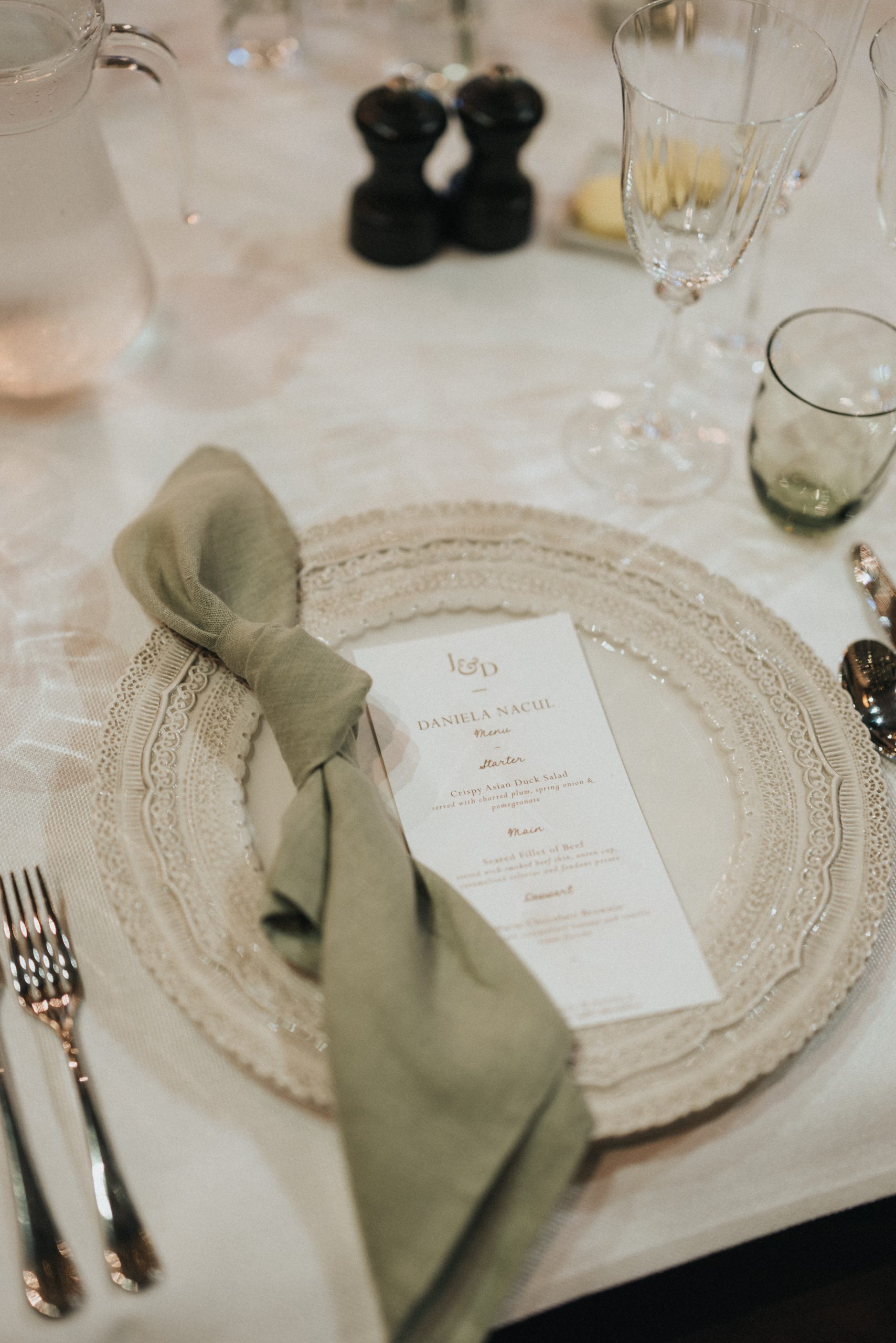
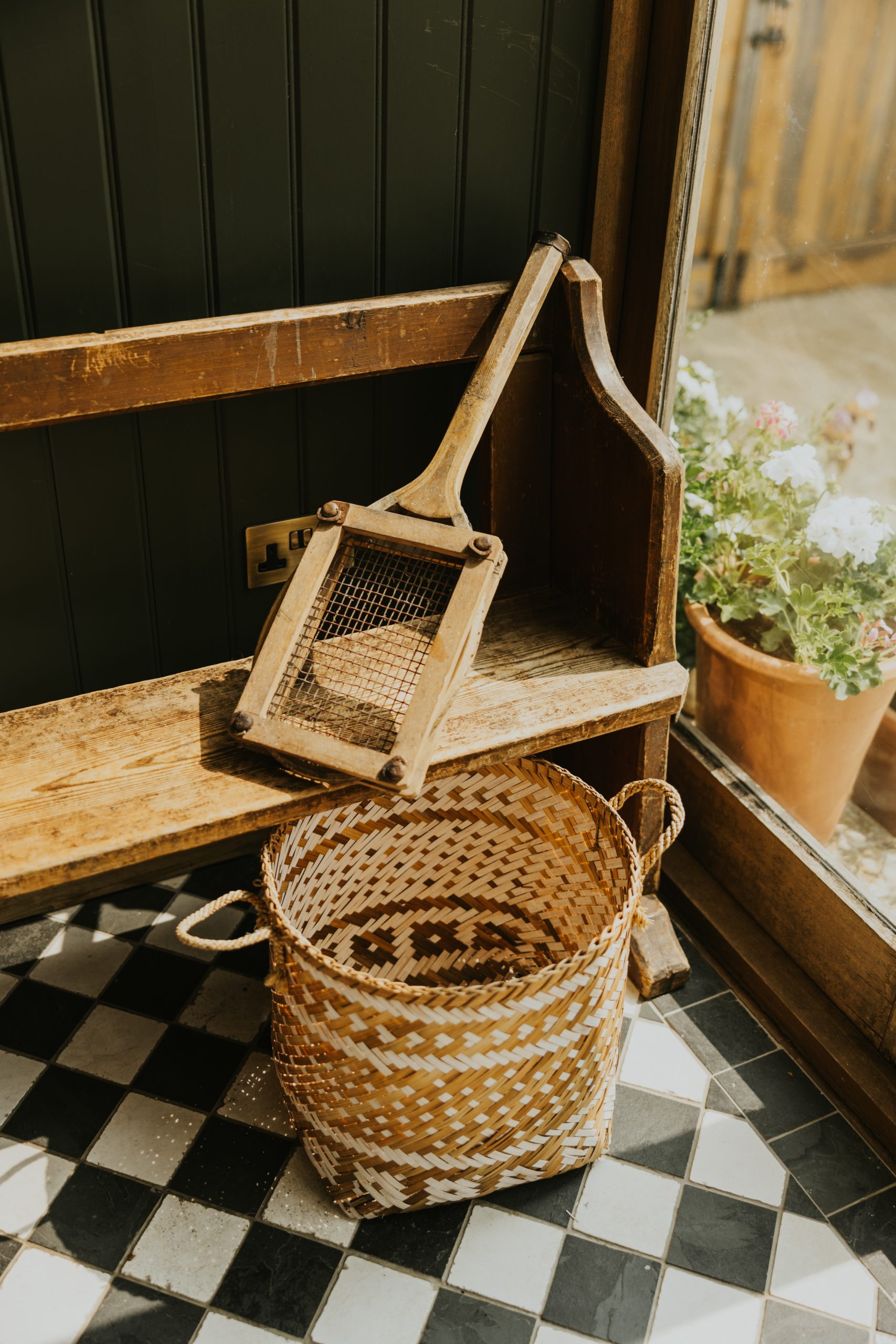

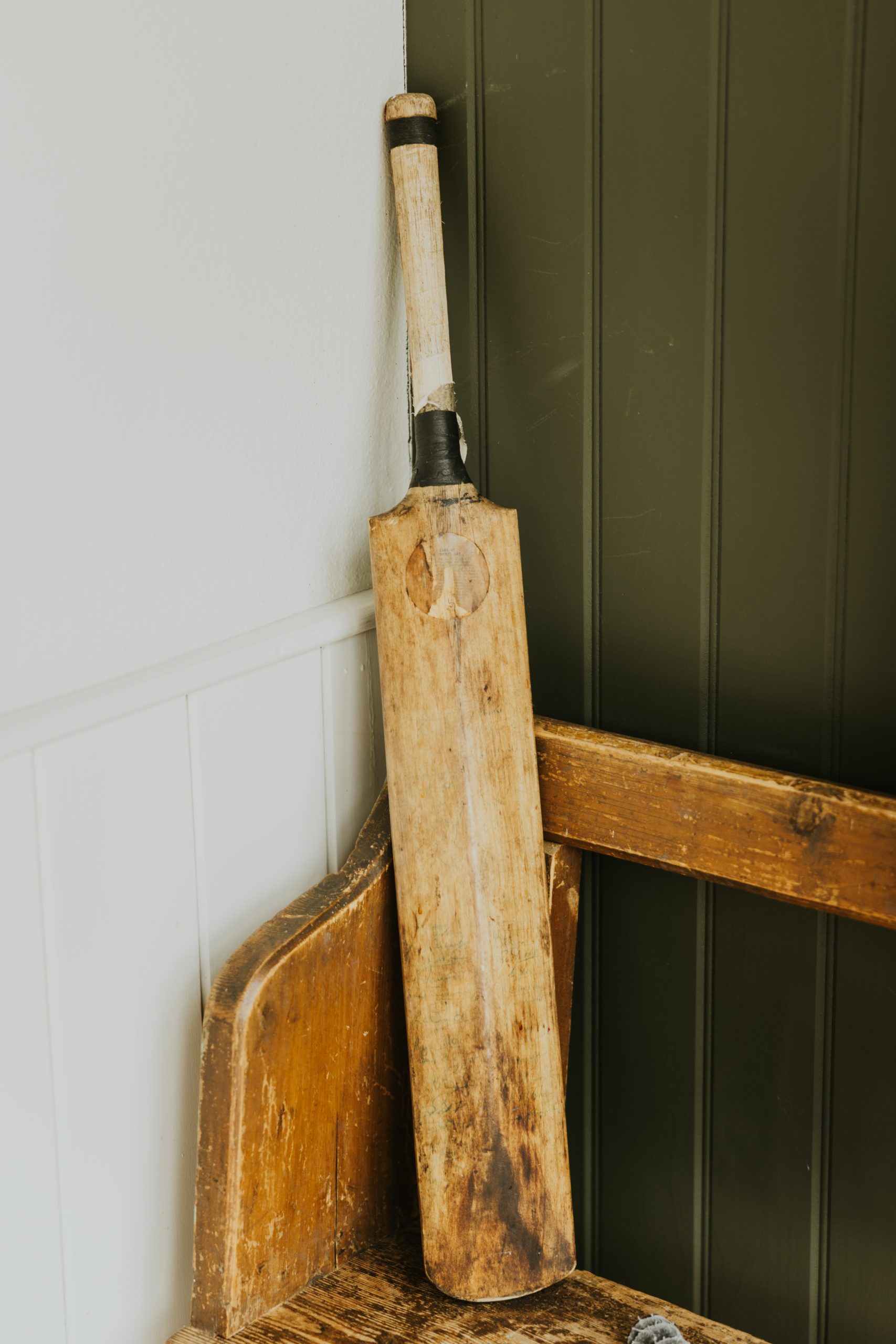
“There has been a marked shift toward interior-led palettes in wedding design, with designers and stylists drawing from the world of interiors as readily as they once did from couture. We saw this first with the house plant renaissance, which moved from homes into fashion and later influenced the wave of green bridesmaid palettes seen in 2025.”
Heritage, Repair, and the Rise of Meaningful Objects
In a culture increasingly aware of waste and the fast pace of consumption, there’s a growing appetite for longevity and heritage. Couples are embracing a ‘less is more’ mentality and favouring quality over quantity. They’re looking for things that last, pieces that feel thoughtful and that have staying power.
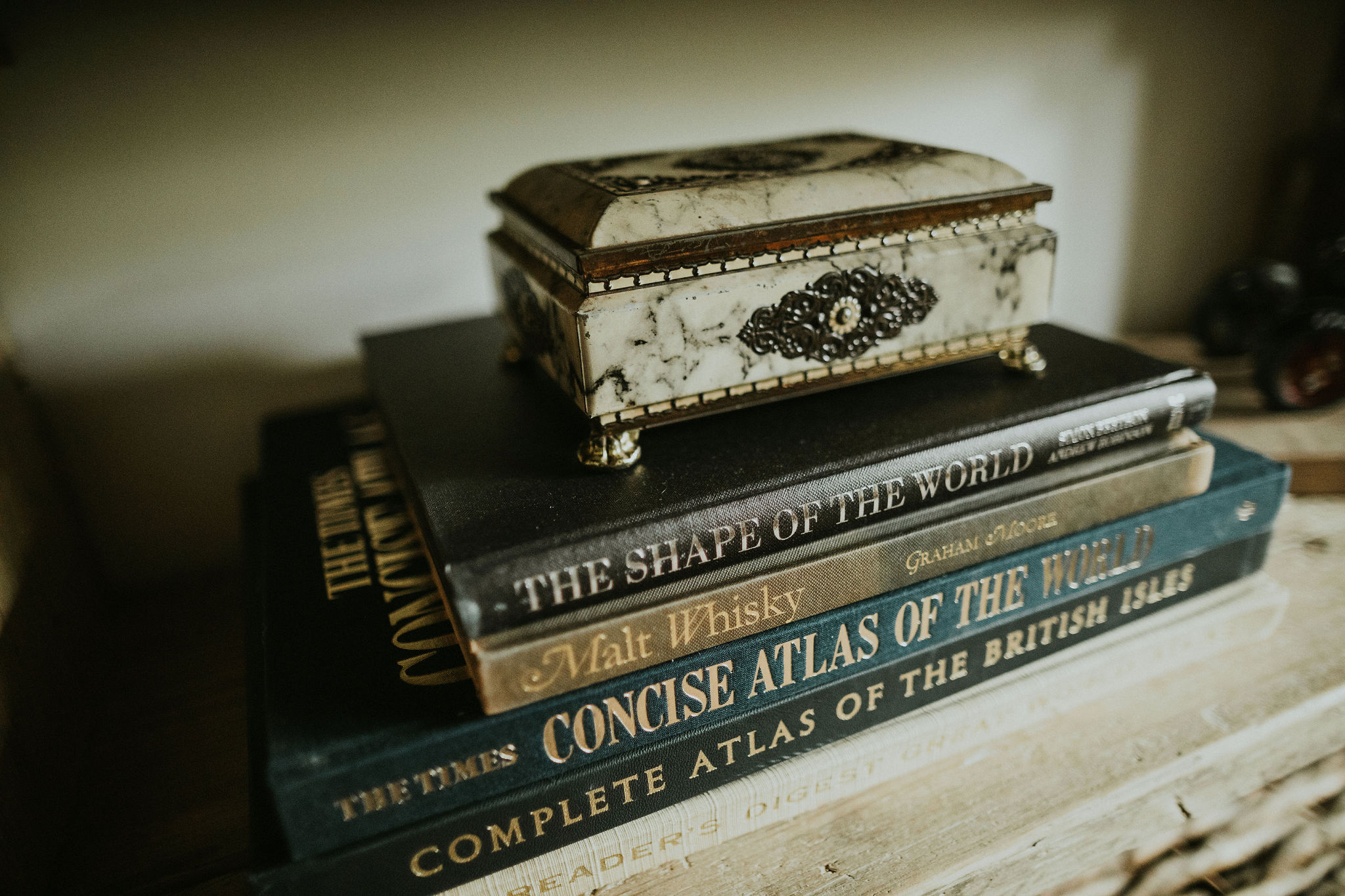
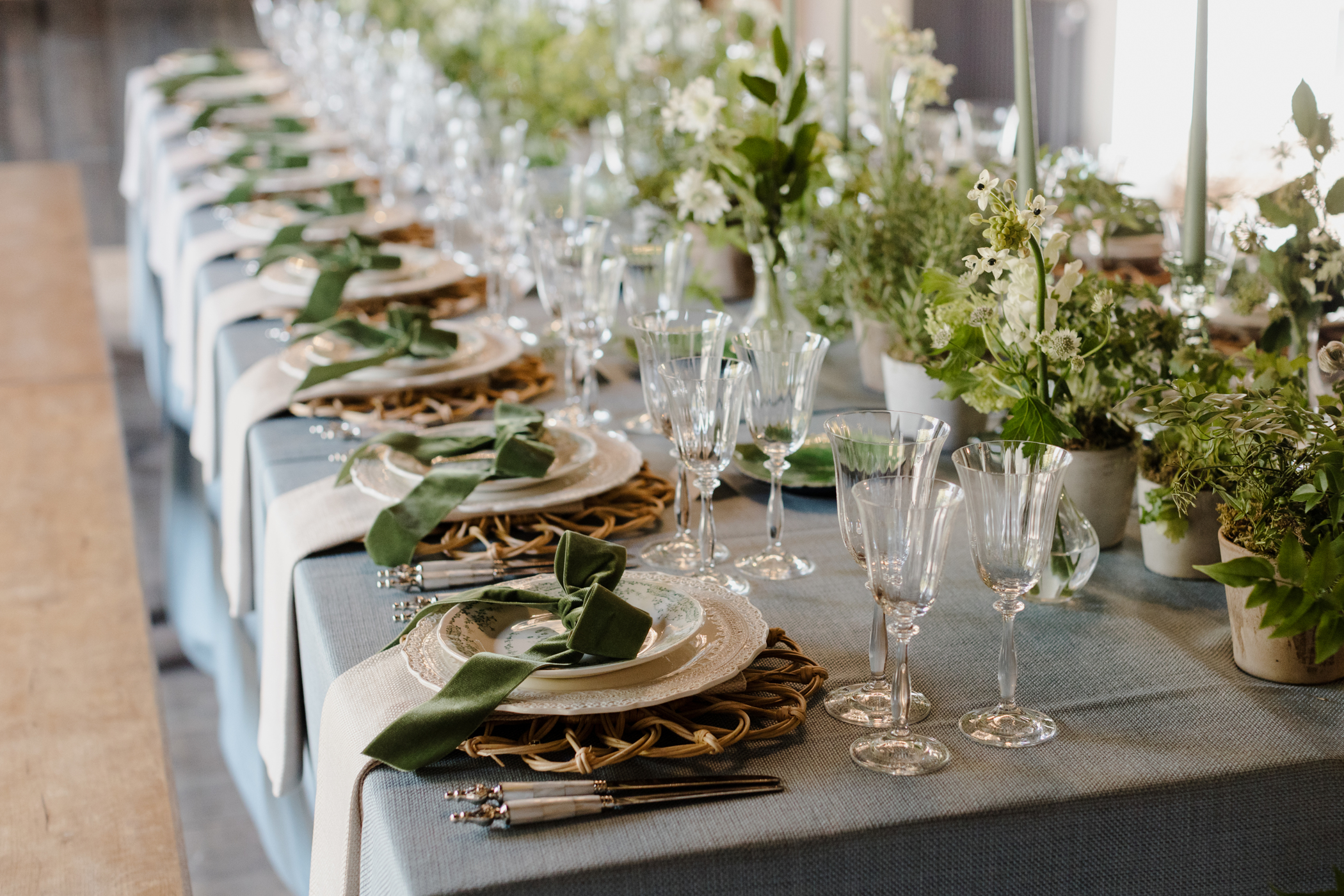
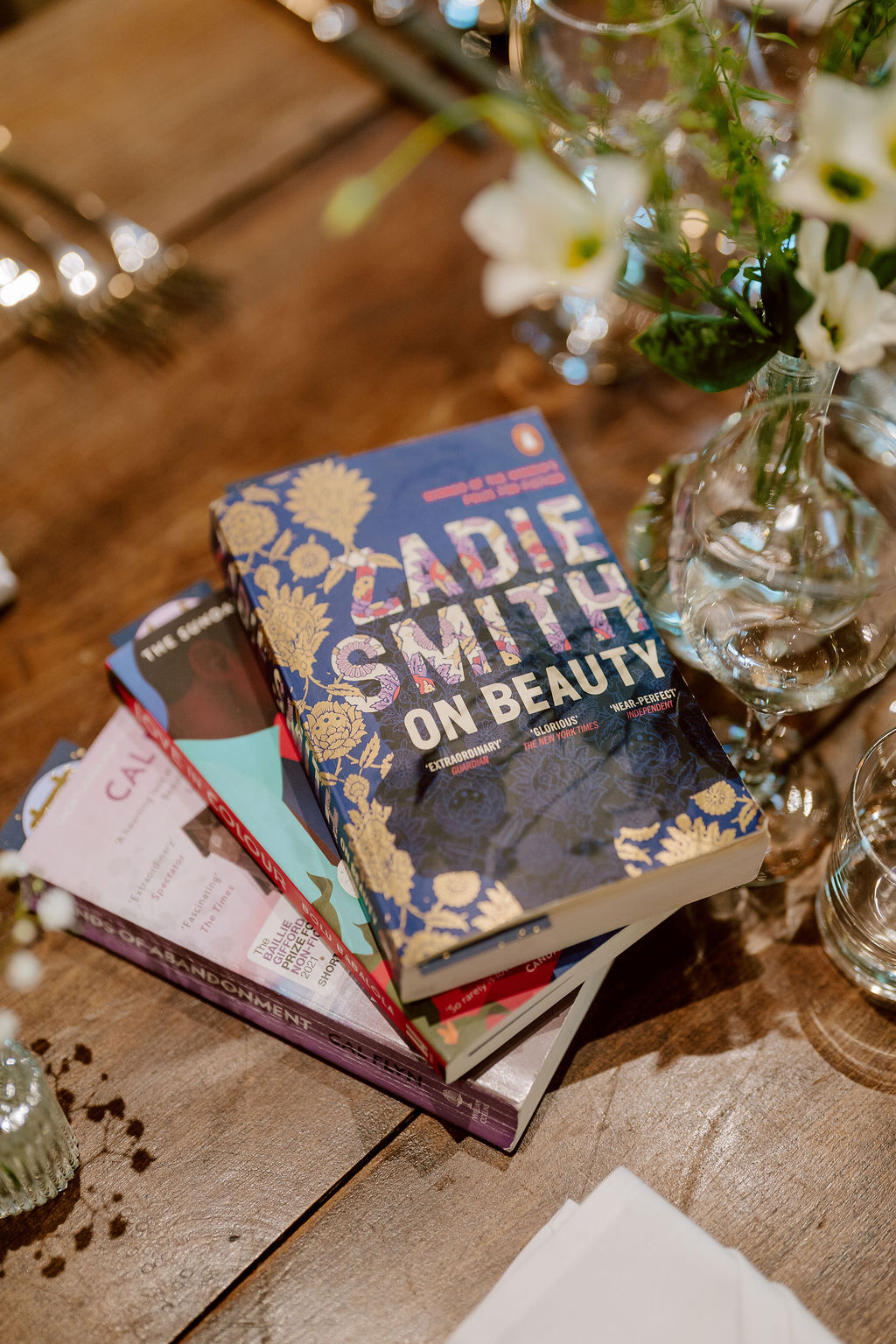
Family traditions, heirloom objects and the idea of repair rather than replacement are all on the rise. A mother’s wedding dress may be reworked; vintage tableware sourced, décor chosen because it can live on in the couple’s or guests’ homes. Pre-loved books as favours find new owners, while potted plants used within tablescapes transition later into post-wedding flowerbeds.
The mindset is shifting from ‘wedding things’ to ‘things that we and our guests will continue to genuinely love, that have real value and that can be re-used.’ Weddings are becoming so much more about quality over convenience and story over spectacle.


Slower, Deeper Celebrations
Alongside this comes a behavioural shift: a desire for slower weddings that prioritise meaningful time together over a tightly choreographed timetable. Multi-day gatherings – often two nights instead of one – are becoming increasingly popular.
Rather than approaching the wedding as a one-day event, couples are creating celebrations that feel unrushed, familiar and easy to settle into, allowing time for connection and shared experience to unfold without pressure.
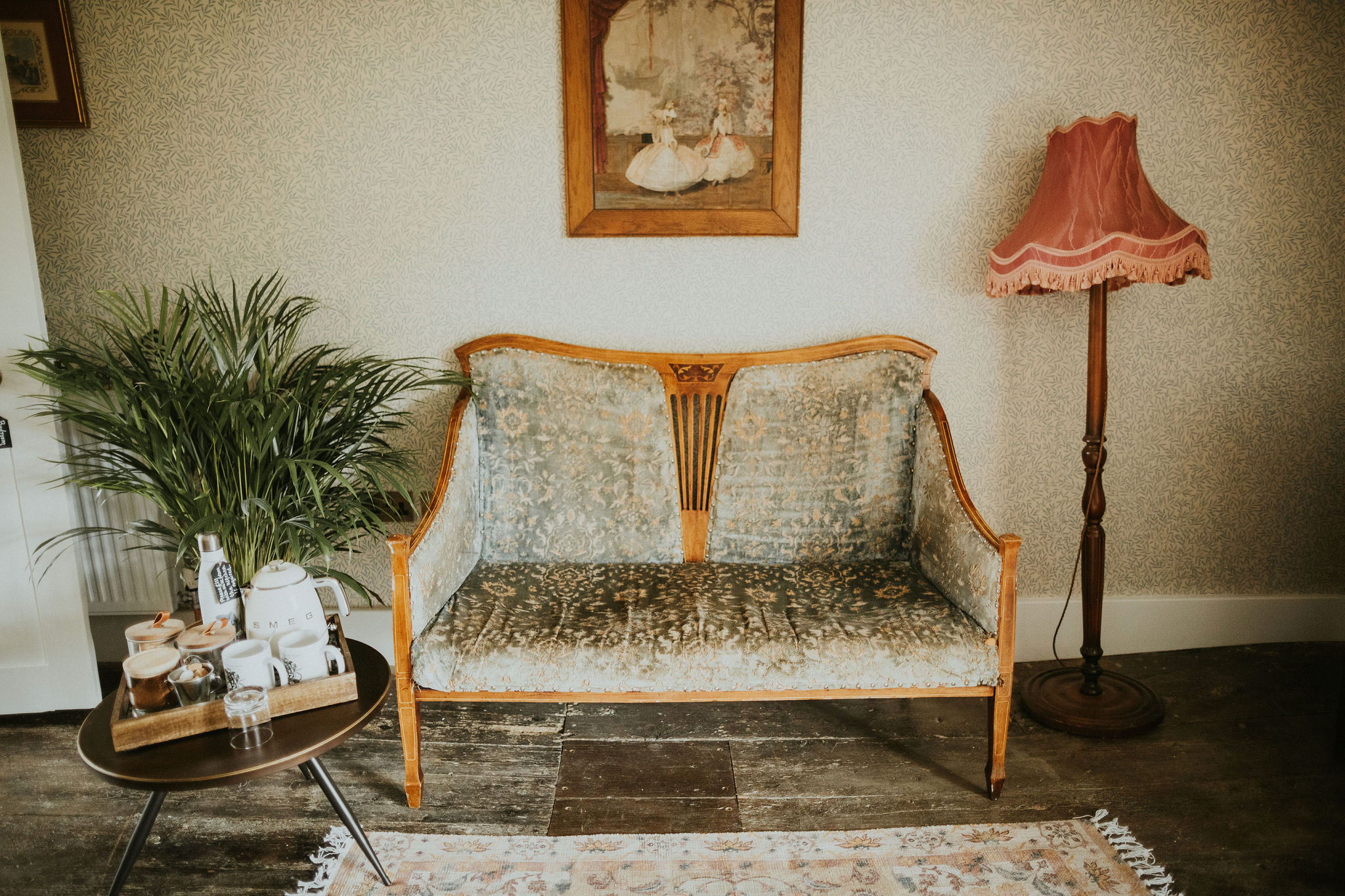
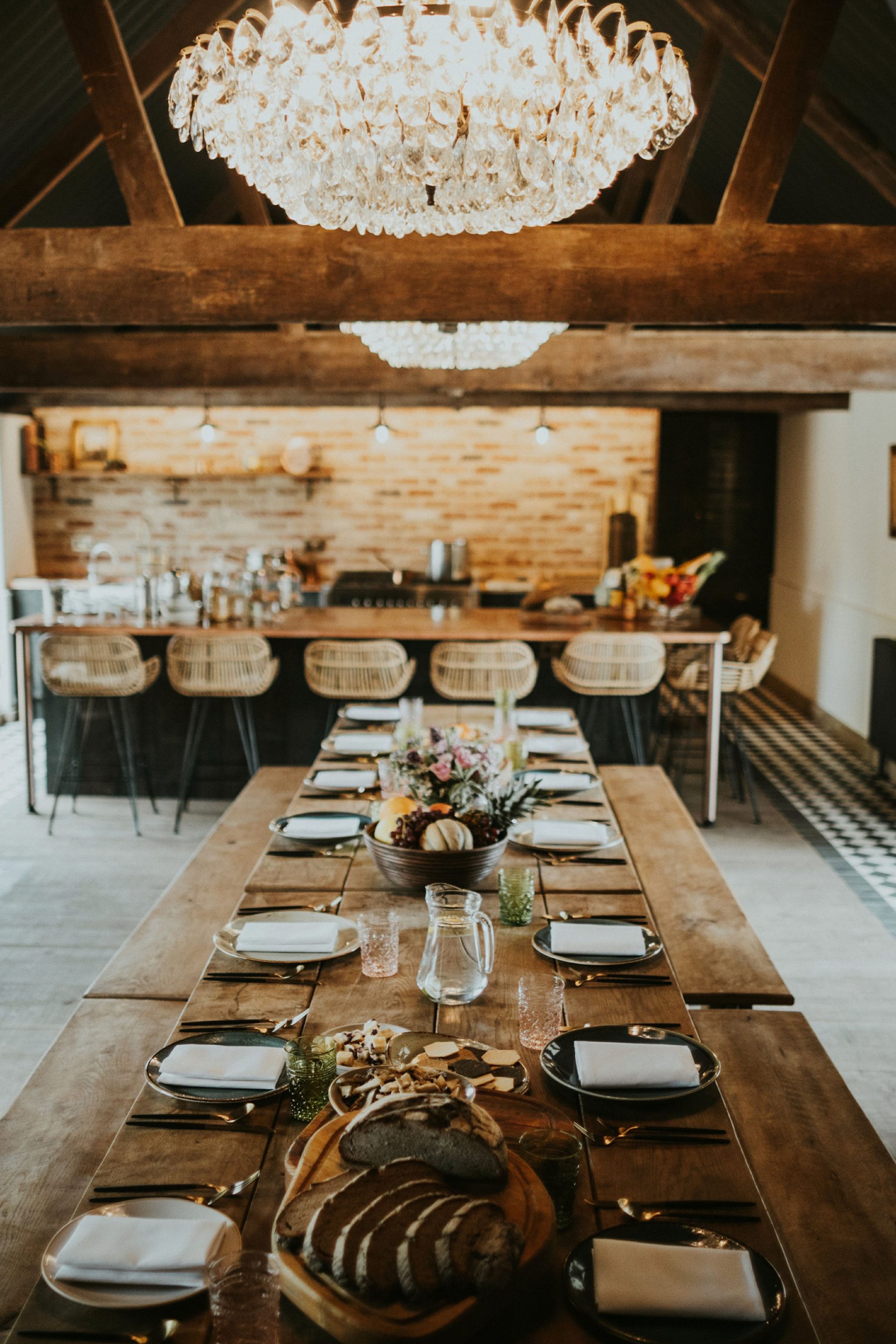
At Tythe, we recognised this shift some time ago. We refurbished The Farmhouse – home to our family for over five centuries – in 2022, to offer couples a space that feels treasured, lived-in, authentic and has a story to tell. It’s beautiful without being formal, deeply historic but not stuffy.
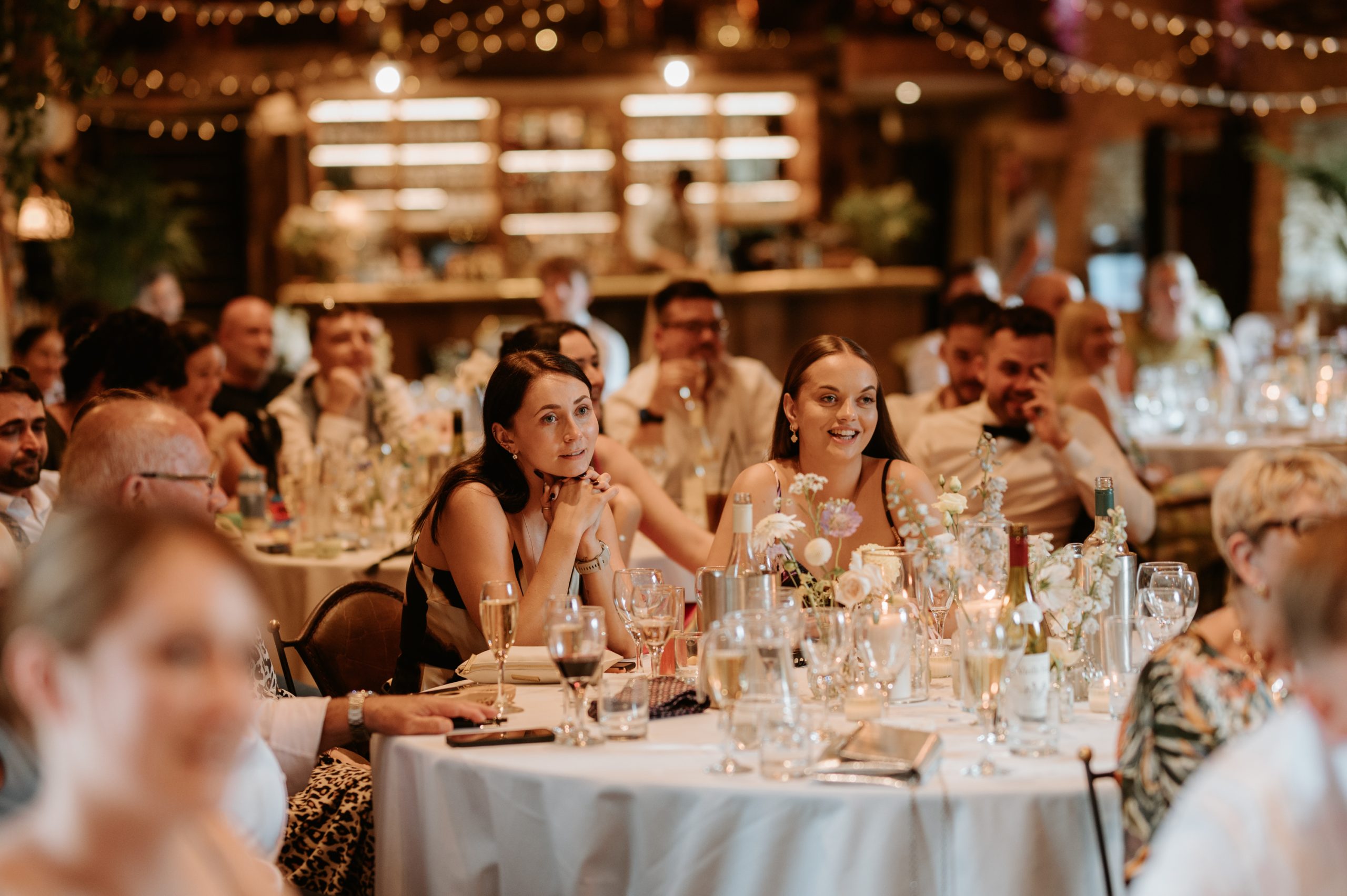
Couples are drawn to these intimate venues that feel like home rather than the formality of a hotel, where guests can gather in living-room-like spaces, linger over long dinners and savour connection. The emphasis is on presence, not performance. Guests are encouraged to put down their phones and engage in shared human experience – conversation, laughter, rituals and meals that stretch on, unhurried.
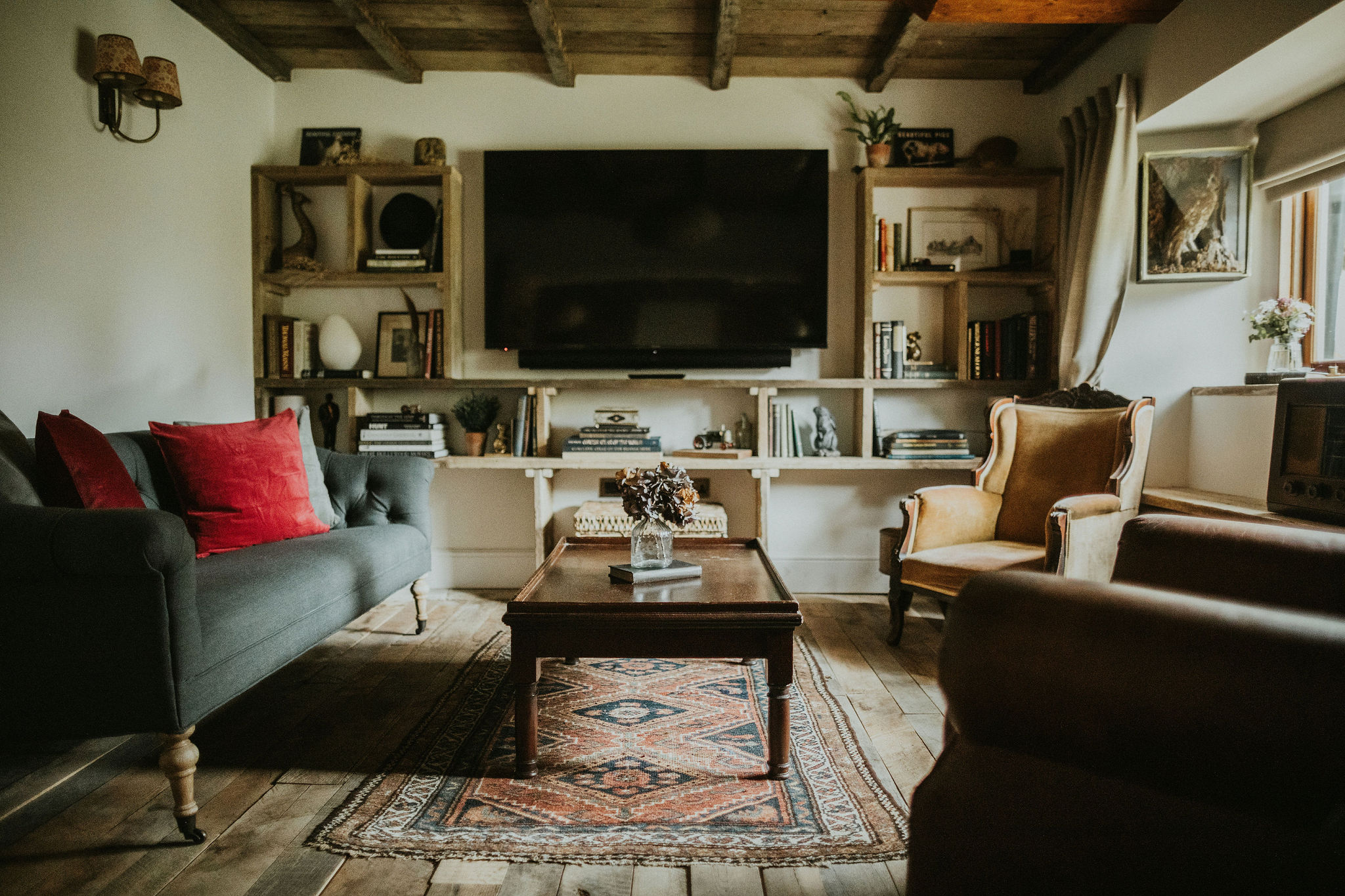
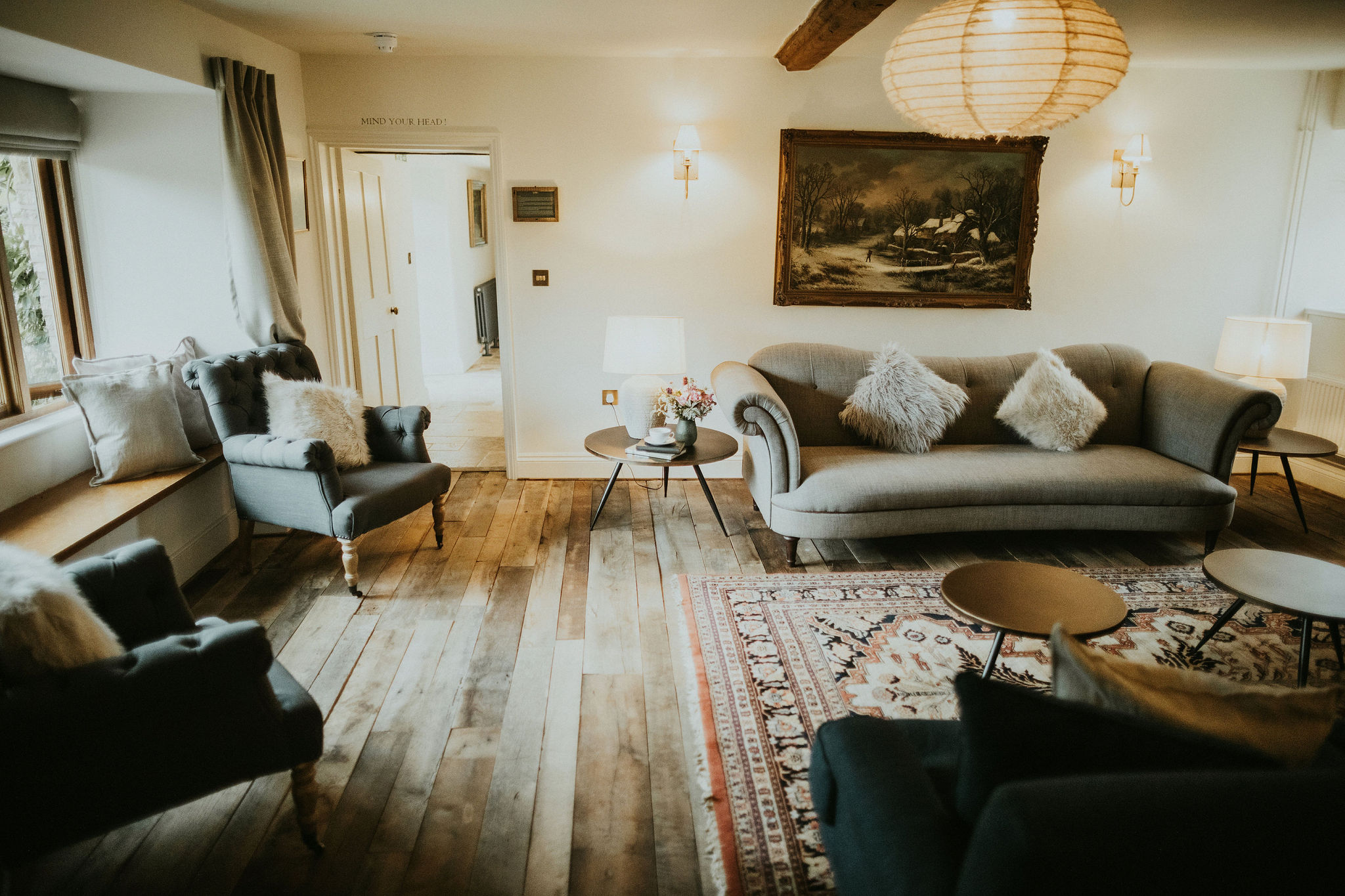
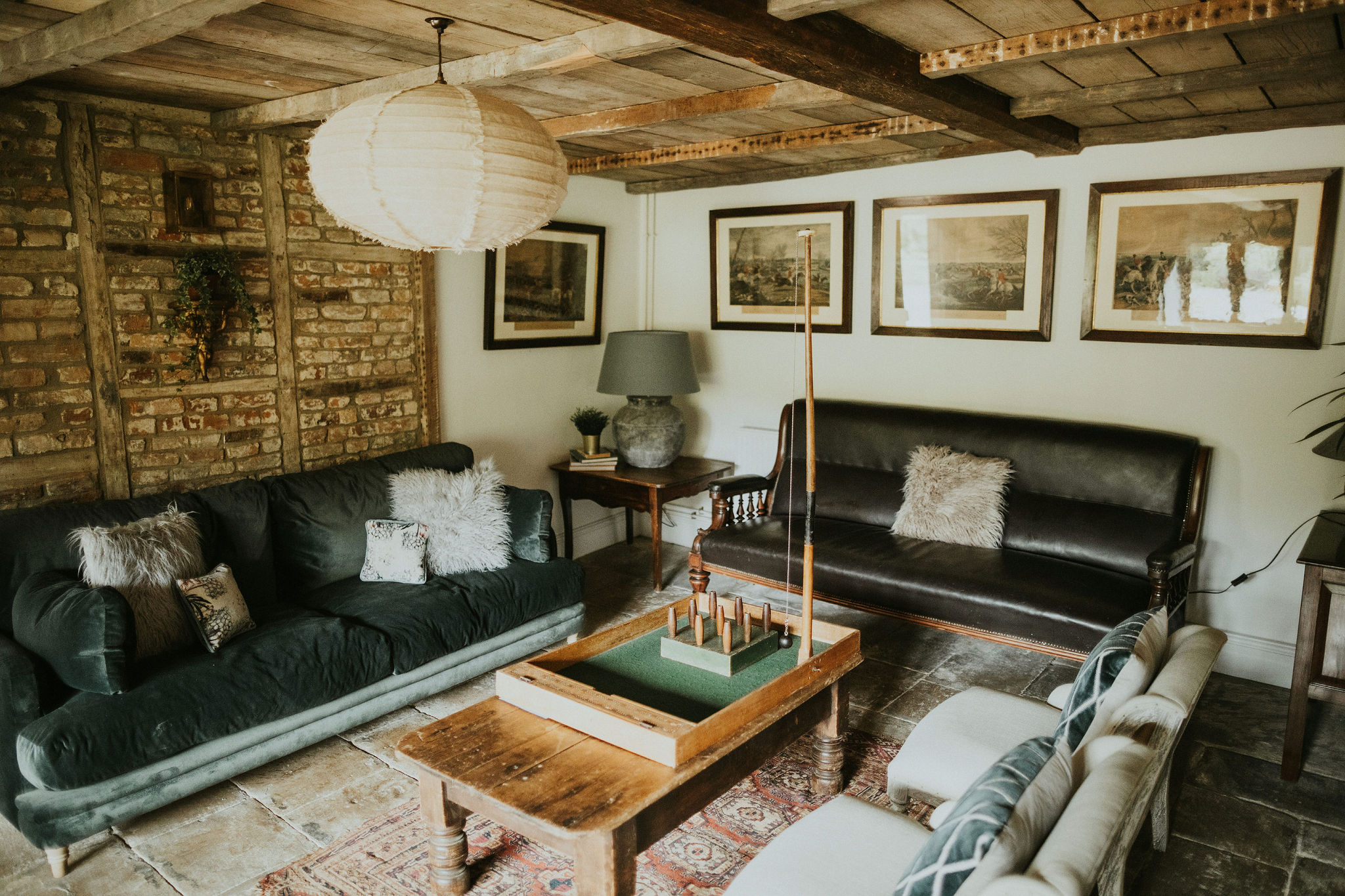


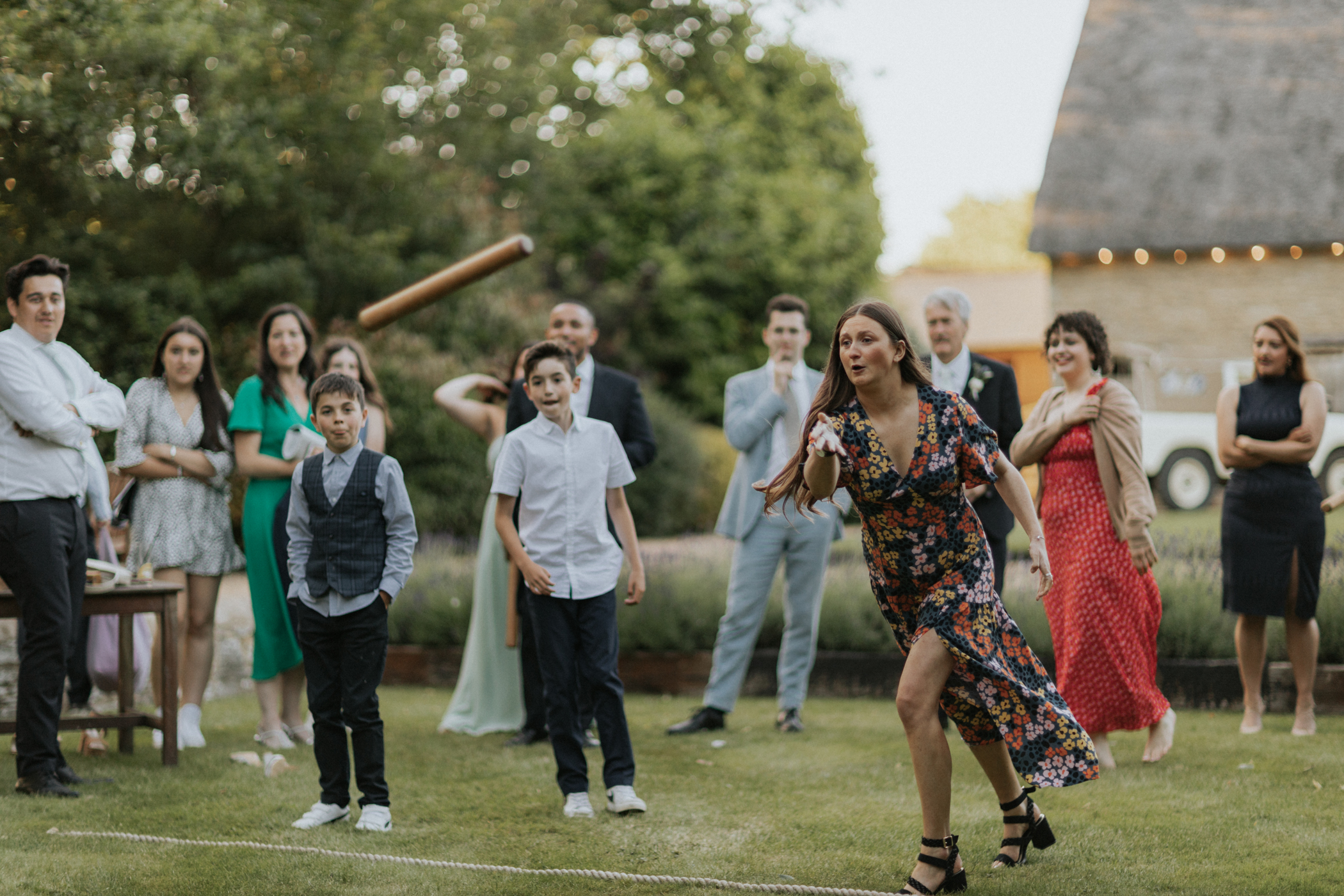
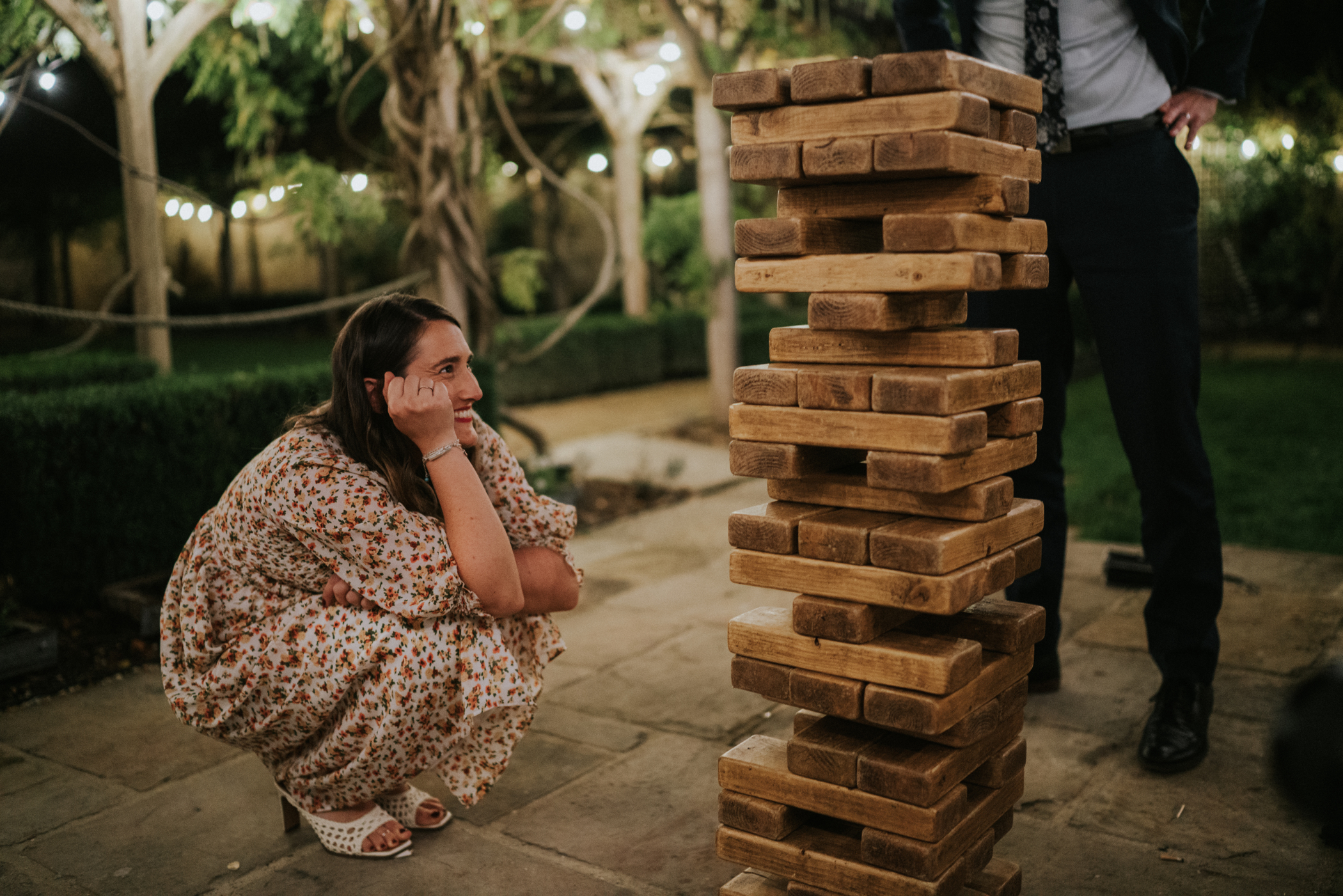

“Couples are drawn to intimate venues that feel like home rather than the formality of a hotel, where guests can gather in living-room-like spaces, linger over long dinners and savour connection. The emphasis is on presence, not performance.”


The Influence of Heritage Interiors & Authentic Design
Interior trends are reinforcing this return to authenticity, with heritage inspired pieces, timeless craftsmanship, a renewed appetite for pattern, and designs chosen for their longevity rather than their novelty.
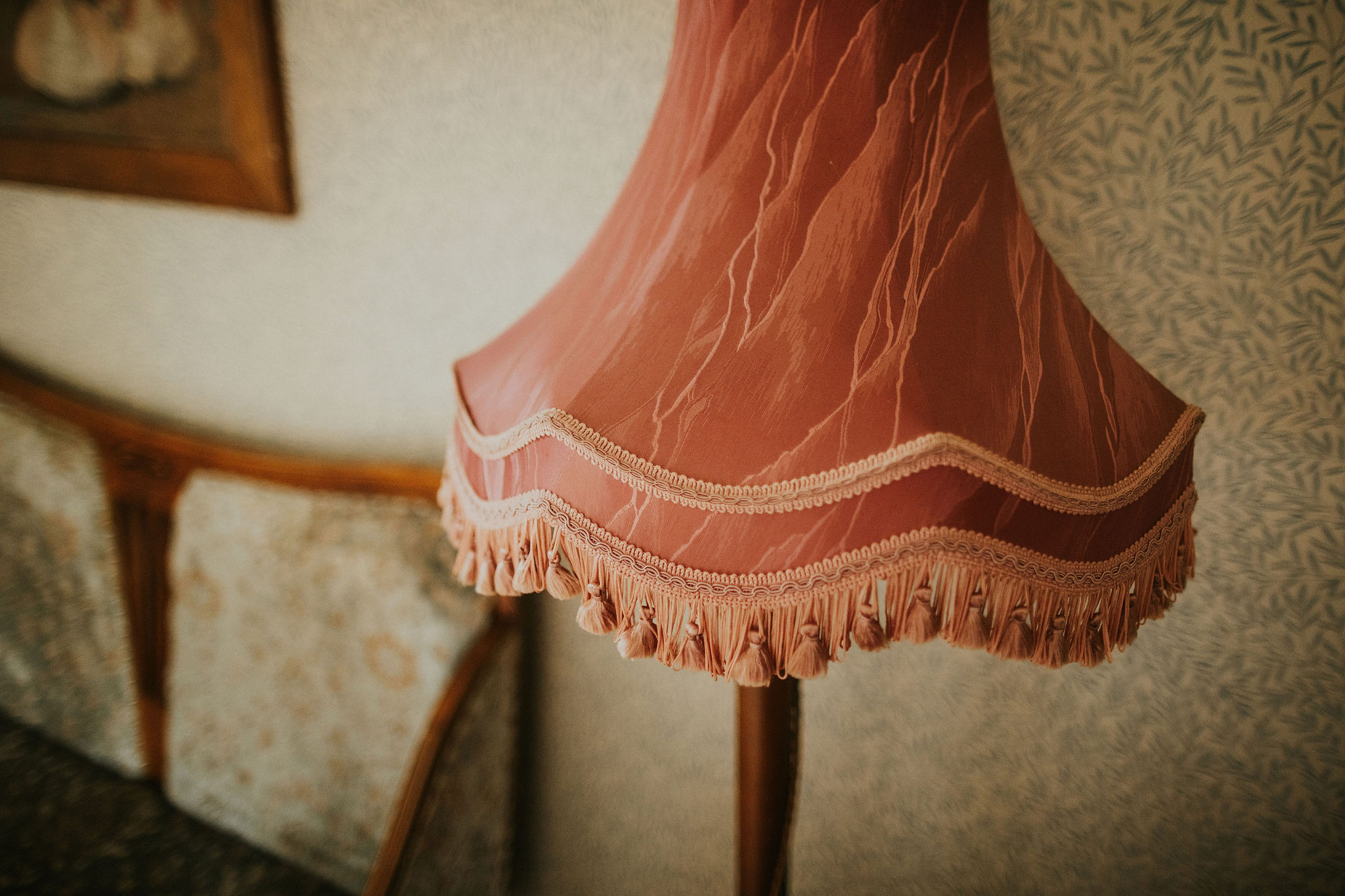
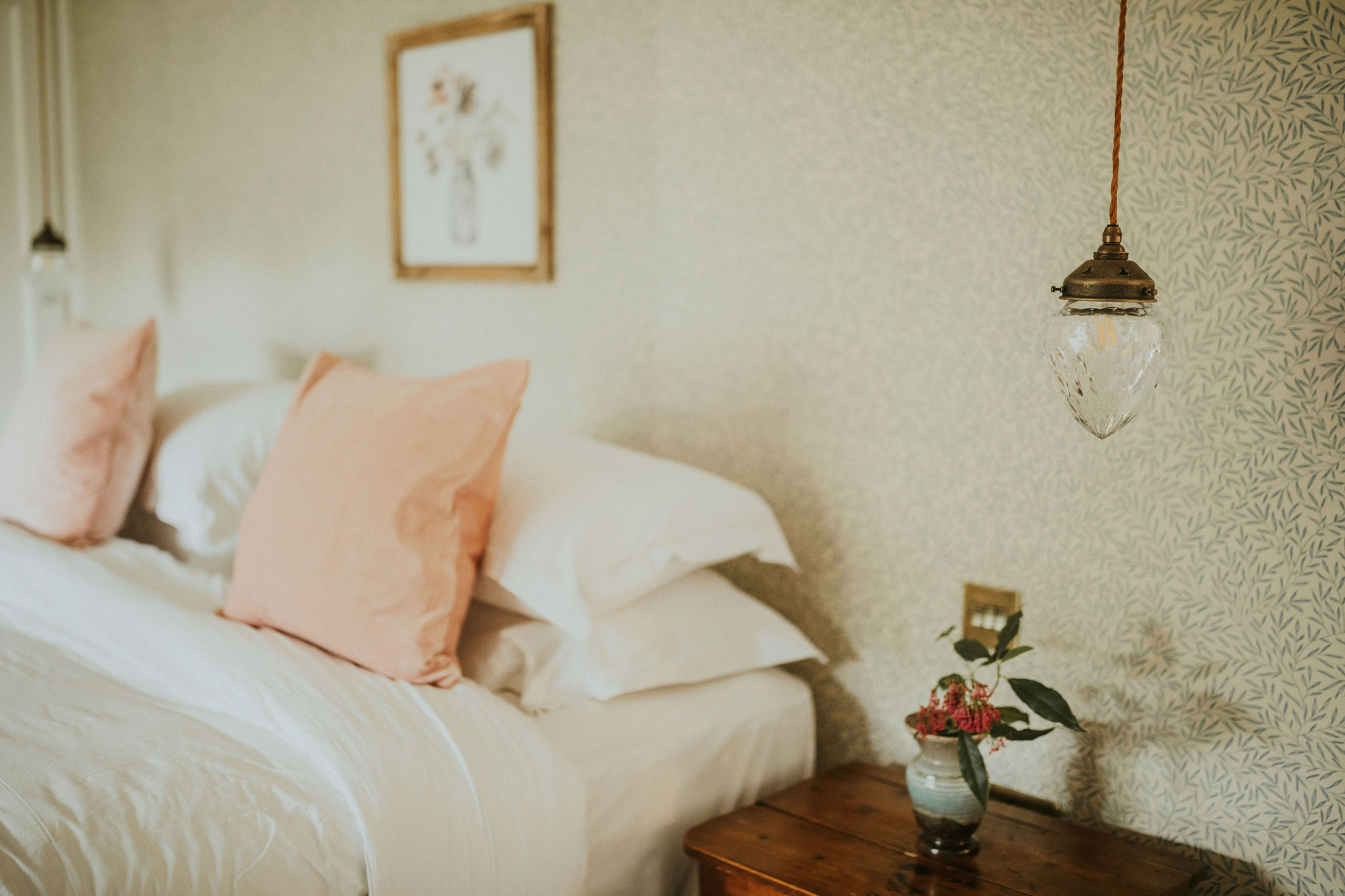
In 2025, interior magazines celebrated mismatched fabrics, colourful curtains, patterned lampshades and expressive wallpapers. The wedding world evolved alongside this. Bridesmaid dresses are no longer restricted to a single palette or silhouette but chosen for comfort, individuality and texture.
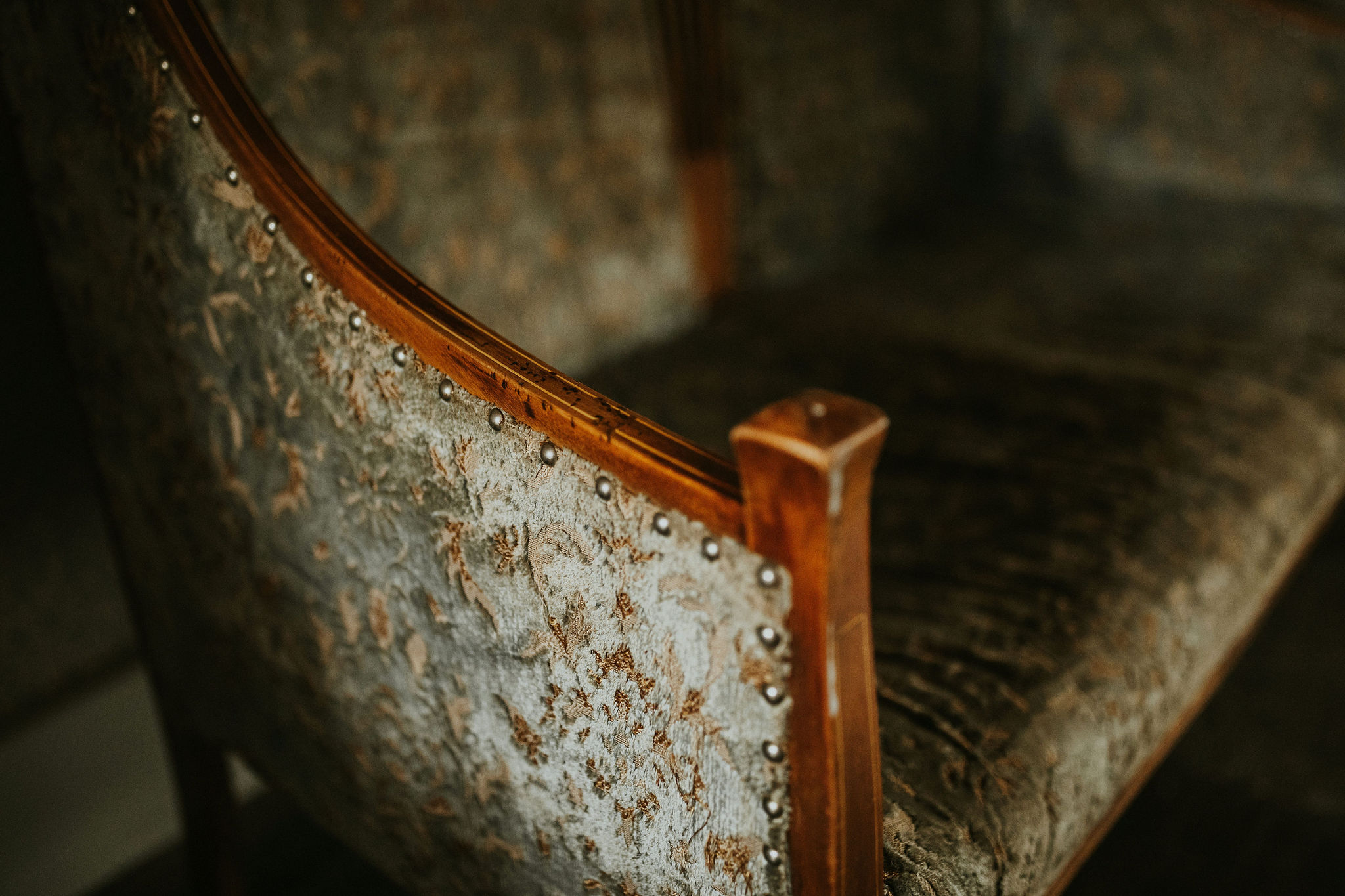
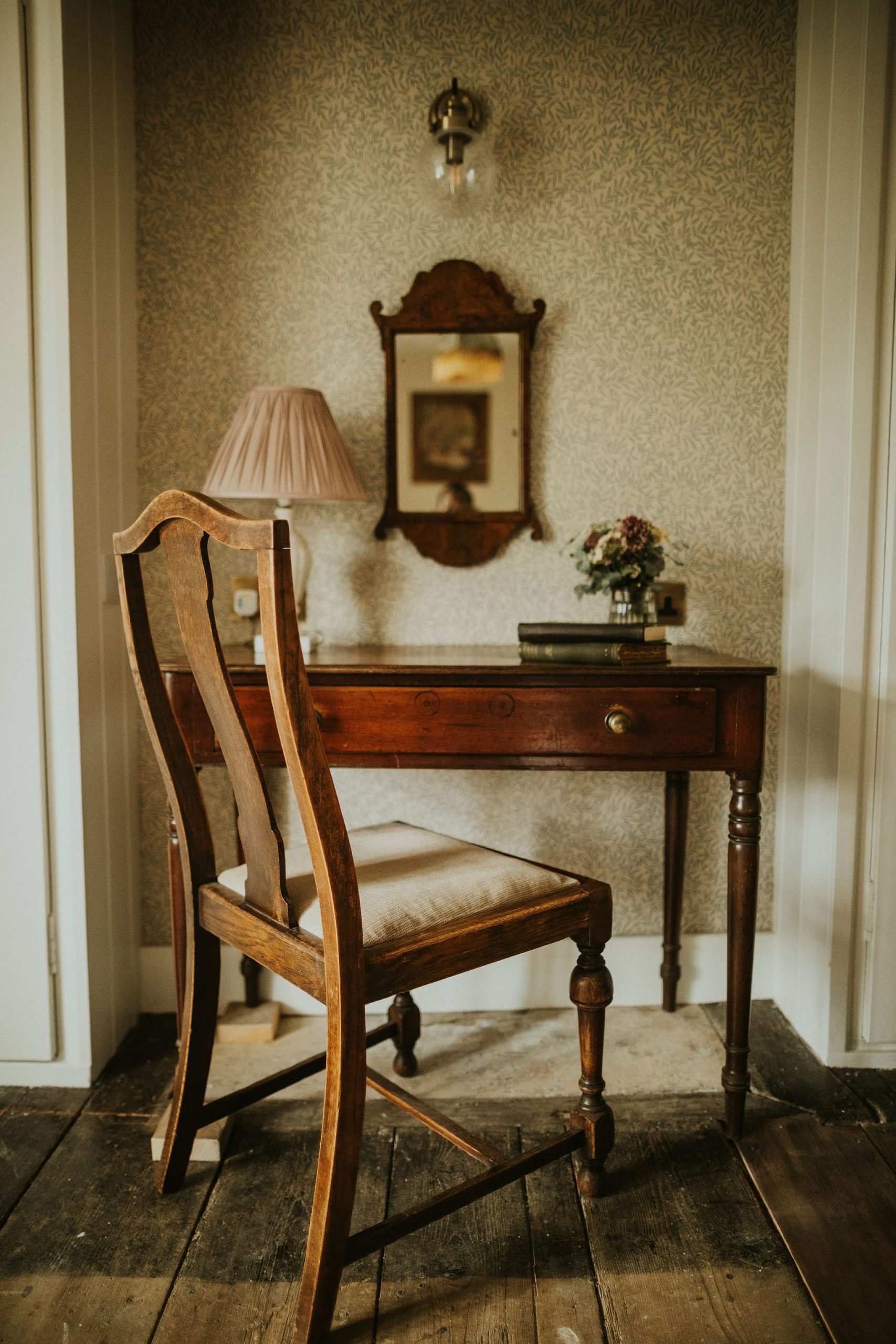
There’s also a revived love for genuine antique furnishings – worn leather armchairs and imperfect velvet chesterfields now serve as backdrops for laidback gatherings while vintage sideboards and dressers create nostalgic focal points for presenting evening cocktails or displaying traditional sweets and desserts. It’s about spending precious time together in a setting that reflects a world we know – one we grew up in, one our families recognise.
The result is a more coherent relationship and visual language between how couples live and how they celebrate. A move towards life being less rigid, less curated – a little more playful and a little less serious.
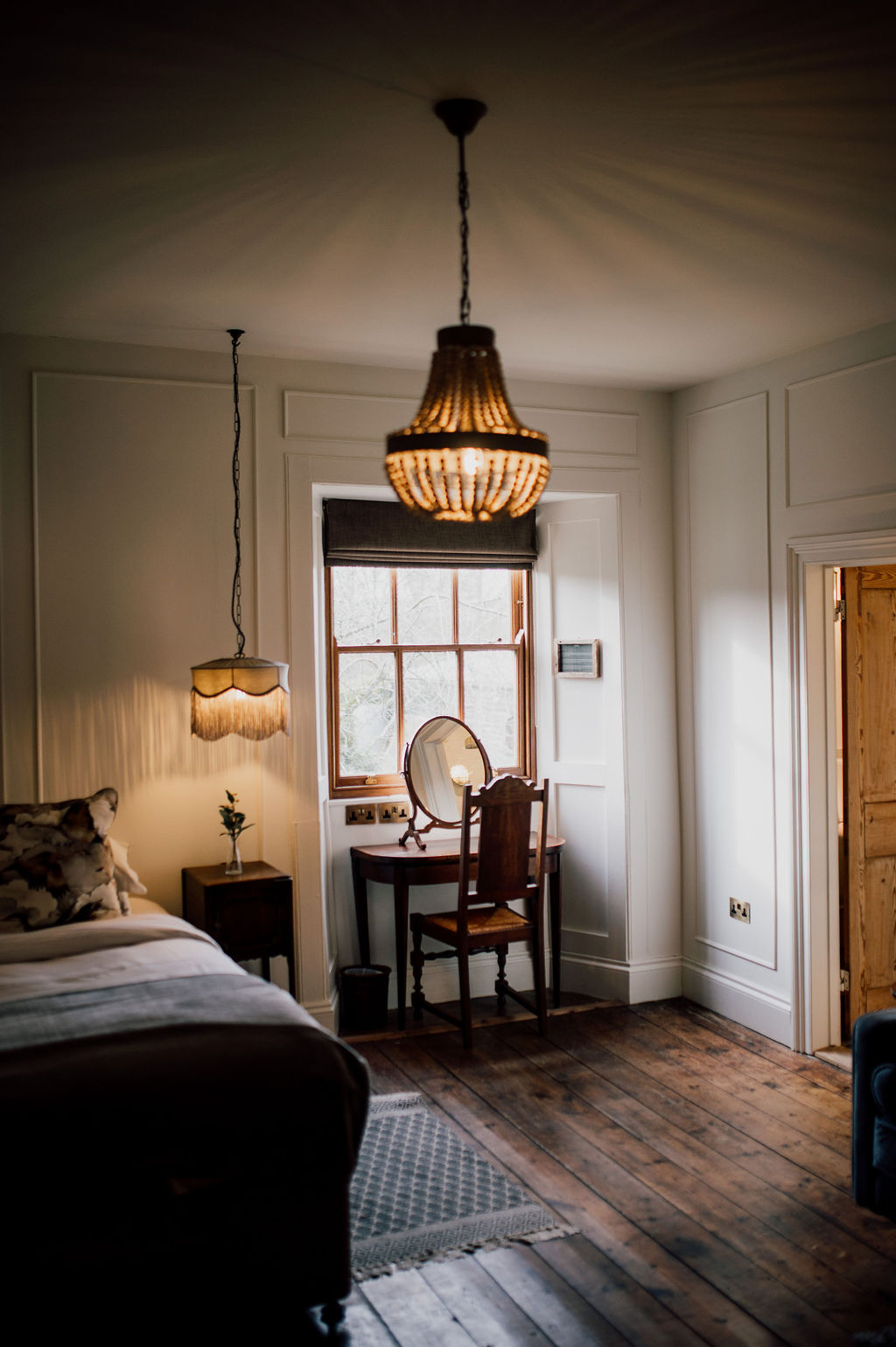

“In 2025, interior magazines celebrated mismatched fabrics, colourful curtains, patterned lampshades and expressive wallpapers. The wedding world evolved alongside this. Bridesmaid dresses are no longer restricted to a single palette or silhouette but chosen for comfort, individuality and texture.”



Weddings as a Reflection of Who We Are Becoming
Together, these shifts speak to something deeper than simply aesthetics, they reflect a deeper cultural desire to feel grounded, connected and safe. In uncertain times, people gravitate to what is familiar, dependable, long-valued and meaningful. Weddings are becoming occasions where couples surround themselves with the people and objects that make them feel most safe and at home.
More than ever, I’m seeing a desire for aesthetic continuity – couples wanting their wedding to feel like the first chapter of the life they’re building, not a staged performance that feels disconnected from it. And actually, what’s taking shape isn’t just a trend, but a very intentional movement towards authenticity, slowness and belonging – towards deep and meaningful human connection on your wedding day.
It’s much less about creating a Pinterest-perfect moment or an Instagram-worthy feature, and far more about cultivating a space that feels natural, relaxed and unmistakably like home.
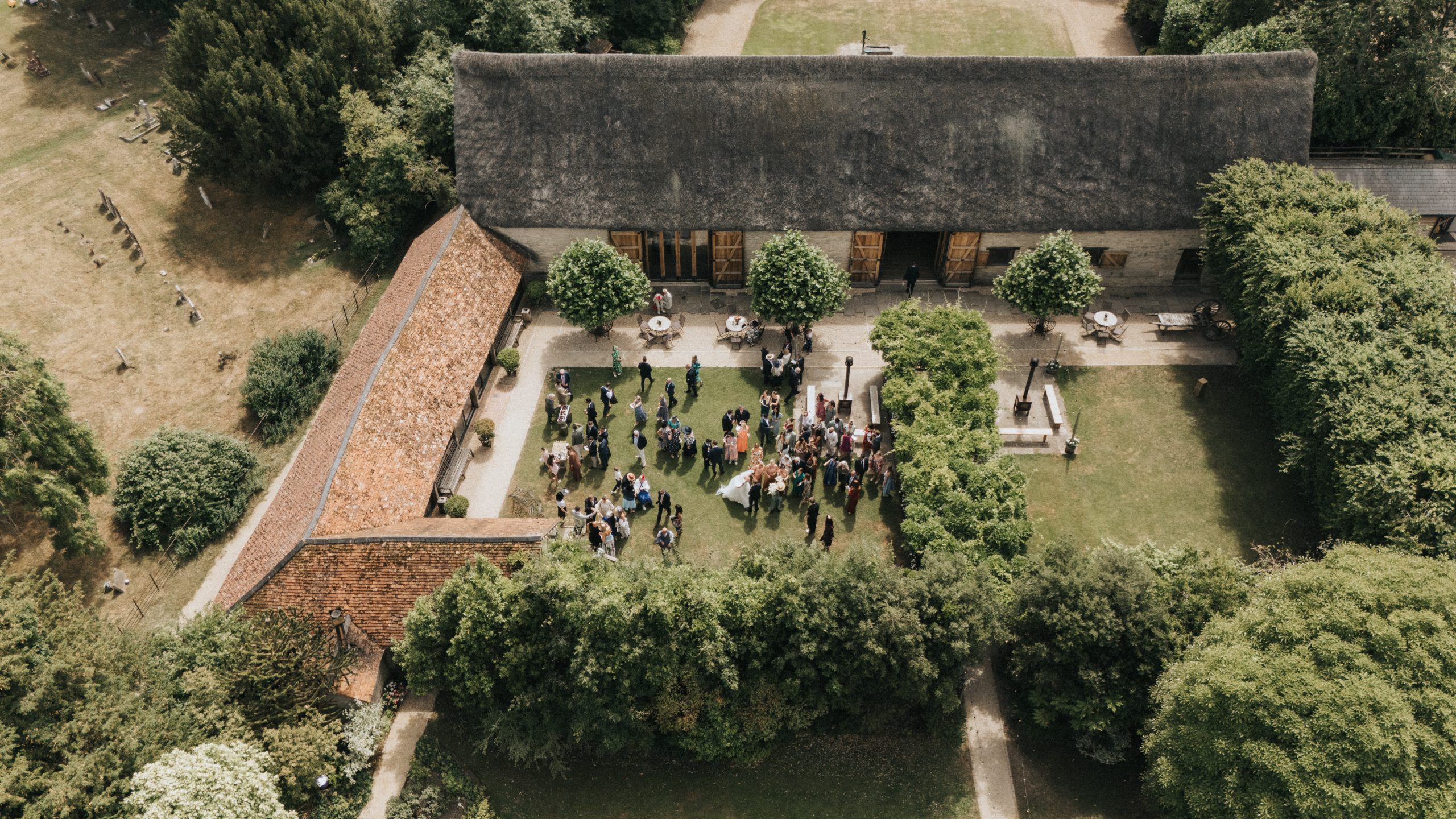
“More than ever, I’m seeing a desire for aesthetic continuity – couples wanting their wedding to feel like the first chapter of the life they’re building, not a staged performance that feels disconnected from it.”

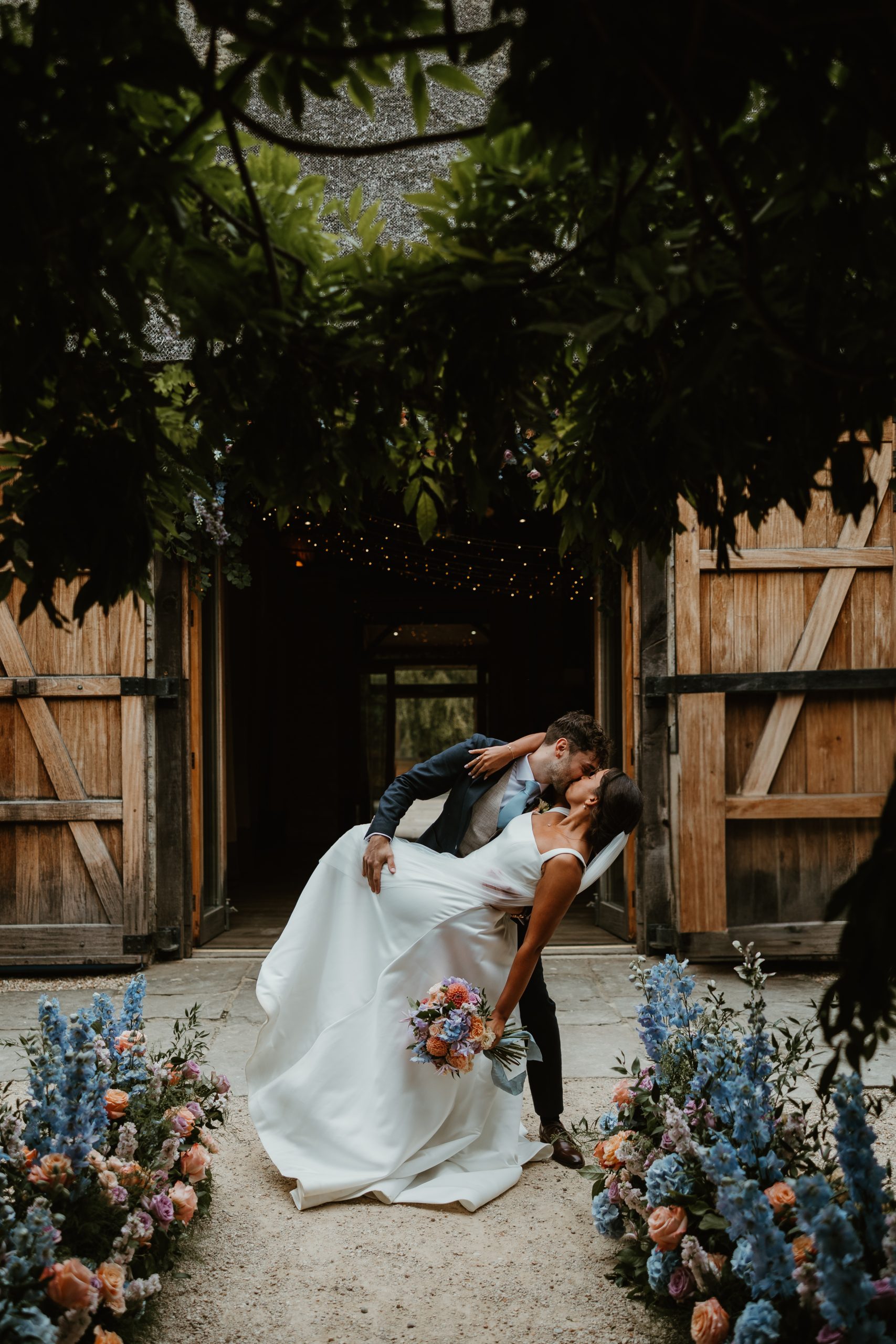
Photography: Igor Demba Photography, Kayley Bull Photography, Chloe Mary Photo, Charcook Photography, Emma Ryan Photography, James Green Studio, MT Studio Weddings, Lily Lane Photography, Marcus Rice Photography, Flawless Photography, Laura Martha Photography, Laura Mac Photography, Hannah May Miles Photography, Dearest Love Photography, Anita Masih Photography, Kim Williams Weddings.